How to Make Smooth, Creamy Italian Polenta (Nonna Style)
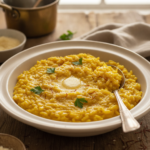
Homemade polenta is one of Italy’s greatest culinary gifts. While it seems simple, achieving that ultra-smooth, velvety texture is an art. Inspired by the comforting, rich style of Nonna Pia, this guide will help you master traditional polenta at home. Whether you serve it soft and creamy straight from the pot or let it cool and slice it, polenta is the ultimate comforting canvas for your favorite Italian toppings.
Recipe Overview
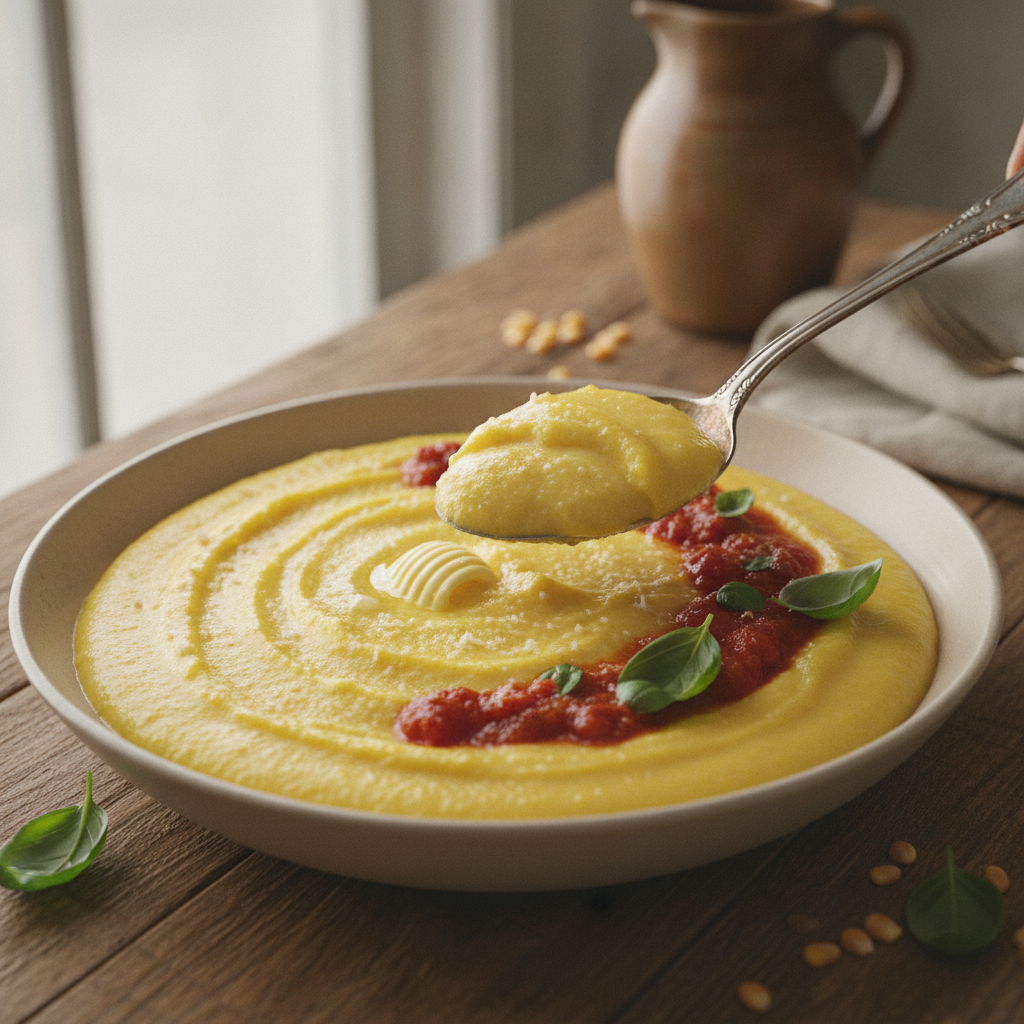
This classic approach to slow-cooked polenta balances rich corn flavor with a silky texture. By whisking carefully to prevent lumps and finishing the dish with butter and cheese, you get a premium side dish or a hearty main course base that rival those served in traditional Italian homes.
Ingredients
- 1 cup coarse-ground yellow cornmeal (traditional polenta grits)
- 4 cups water (or low-sodium chicken or vegetable broth for extra flavor)
- 1 teaspoon kosher salt
- 2 tablespoons unsalted butter
- 1/2 cup freshly grated Parmigiano-Reggiano cheese
- Freshly ground black pepper to taste
Step-by-Step Instructions
- Boil the liquid: In a heavy-bottomed saucepan or Dutch oven, bring the water (or broth) and salt to a rolling boil over high heat.
- Whisk in the cornmeal: Reduce the heat to medium-low. Slowly rain the cornmeal into the boiling liquid in a thin, steady stream while whisking constantly. This slow pouring and continuous whisking is the absolute key to preventing lumps.
- Simmer low and slow: Turn the heat down to low so the mixture is just barely bubbling. Cook, stirring frequently with a wooden spoon, for about 40 to 45 minutes. Make sure to scrape the bottom and corners of the pot to prevent scorching. The polenta is ready when it is thick, smooth, and pulls away easily from the sides of the pot.
- Finish with richness: Remove the pot from the heat. Stir in the butter and grated Parmigiano-Reggiano cheese until fully melted and emulsified. Season with additional salt and freshly ground black pepper to taste.
Tips for Best Results
- Whisking is Key: Don’t rush adding the cornmeal. The slow drizzle while whisking is the secret to a lump-free texture.
- Liquid Ratio: A standard ratio is 1 part cornmeal to 4 parts liquid. For an even softer, looser polenta, you can increase the liquid to 4.5 or 5 cups.
- Use a Heavy Pot: A heavy pot distributes heat evenly and prevents the bottom from scorching during the long simmer.
Serving Suggestions
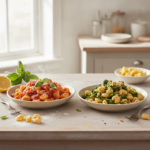
Polenta is incredibly versatile! You can serve it hot and creamy under a rich meat ragù, top it with sautéed wild mushrooms and garlic, or simply drizzle it with high-quality olive oil. Just like Nonna Pia, who loves to showcase multiple toppings, you can set up a “polenta bar” and let everyone customize their bowl with marinara sauce, roasted vegetables, gorgonzola, or braised meats.
Storage and Reheating
Leftover polenta will firm up substantially as it cools. Store it in an airtight container in the refrigerator for up to 3 days. To reheat it to a creamy consistency, stir in a splash of water, milk, or broth over low heat while whisking vigorously. Alternatively, you can let the leftover polenta solidify in a baking dish, slice it into wedges, and pan-fry them in olive oil until crispy on the outside and tender on the inside.
Frequently Asked Questions
Can I use instant polenta for this recipe?
Yes, you can use quick-cook or instant polenta to save time, but traditional coarse cornmeal delivers a far superior, complex flavor and a much richer texture.
How do I fix lumpy polenta?
If lumps form despite your best efforts, vigorously whisk the mixture or use an immersion blender to smooth it out before it thickens too much during the cooking process.
Can I make this dairy-free?
Absolutely. You can substitute the butter with a high-quality extra virgin olive oil and use a dairy-free cheese alternative, or simply omit the cheese and let the natural sweetness of the corn shine through.
Source Media