How to Make Homemade Cavatelli: Two Classic Italian Ways
There is something incredibly comforting about the art of making pasta by hand. Among the many shapes passed down through generations of Italian home cooks, cavatelli stands out as one of the most satisfying and approachable. Made with simple ingredients and lots of love, these charming, ridged pasta shells are perfect for catching rich, savory sauces.
Recipe Overview
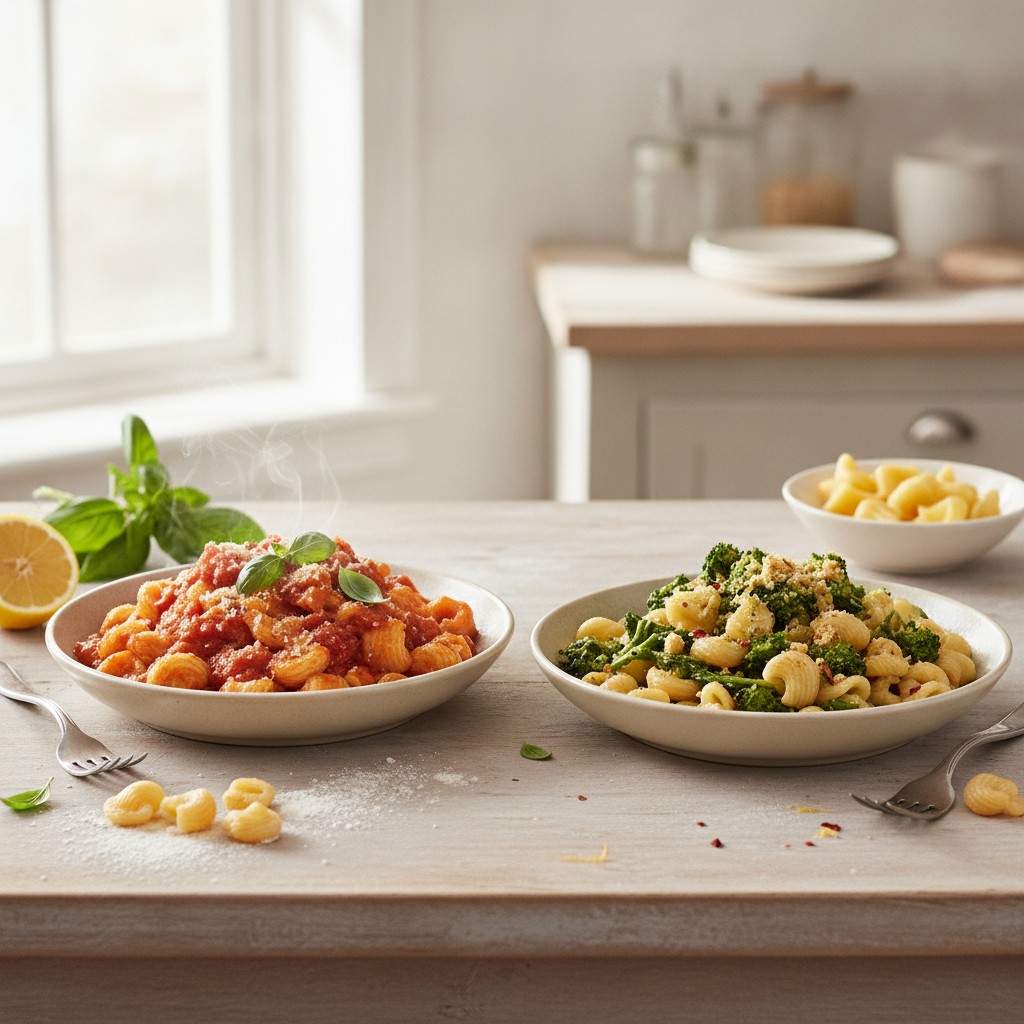
Cavatelli is a traditional egg-free pasta made primarily from semolina flour and warm water. The dough is rolled into thin ropes, cut into bite-sized pieces, and dragged across a wooden gnocchi board or a clean countertop to create a hollow cavity. This shape makes them exceptionally good at holding chunky sauces, melted cheese, and aromatic oils. Below, we outline how to make a classic semolina dough, followed by two delicious preparation styles: a vibrant, simple tomato-basil sauce and a garlic-herb toss with greens.
Ingredients
For the Cavatelli Pasta:
- Semolina flour: 2 cups (plus extra for dusting)
- Warm water: 1 cup (add gradually as needed)
- Fine sea salt: A pinch
For Style 1: Simple Tomato Basil Sauce
- Extra virgin olive oil: 2 tablespoons
- Garlic: 2 cloves, thinly sliced
- San Marzano tomatoes: 1 can (14 oz) whole peeled, crushed by hand
- Fresh basil leaves: A small handful
- Salt and black pepper: To taste
- Grated Pecorino Romano or Parmesan cheese: For serving
For Style 2: Garlic, Olive Oil, and Greens
- Extra virgin olive oil: 3 tablespoons
- Garlic: 3 cloves, minced
- Broccoli rabe or baby spinach: 1 bunch, cleaned and chopped
- Red pepper flakes: A pinch
- Optional: Cooked crumbled Italian sausage
- Grated Pecorino Romano cheese: For serving
Step-by-Step Instructions
1. Mix and Knead the Dough
On a clean work surface, mound the semolina flour and make a well in the center. Add the salt and about half of the warm water into the well. Gradually incorporate the flour into the water with a fork. Slowly add more water as needed until a shaggy dough forms. Knead by hand for about 8 to 10 minutes until the dough is smooth, elastic, and no longer sticky. Wrap in plastic wrap and let it rest at room temperature for 30 minutes.
2. Roll and Shape
Cut the dough into four equal pieces. Keep the unused pieces covered so they do not dry out. Roll one piece into a long rope, about 1/3-inch thick. Cut the rope into small, 1/2-inch pieces.
3. Form the Cavatelli
Using your thumb, index finger, or a wooden gnocchi board, gently press down on each piece of dough and drag it toward you. The dough should curl around your finger or the board, forming a hollow shell with a textured exterior. Repeat with the remaining dough and place the shaped cavatelli on a baking sheet lightly dusted with semolina.
4. Cook the Pasta
Bring a large pot of salted water to a rolling boil. Drop the cavatelli into the water. Once they float to the top, let them cook for an additional 2 to 3 minutes (about 4 to 5 minutes total) until they are al dente. Drain, reserving about 1/2 cup of the pasta cooking water.
5. Prepare Sauce Option 1 (Classic Tomato Basil)
In a skillet, heat the olive oil over medium heat. Add the sliced garlic and cook until fragrant, being careful not to let it brown. Add the crushed tomatoes and a pinch of salt. Simmer for 15 minutes. Stir in the fresh basil, toss with the cooked cavatelli, and add a splash of pasta water if needed to loosen the sauce. Top with grated cheese.
6. Prepare Sauce Option 2 (Garlic & Greens)
In a separate skillet, heat the olive oil over medium heat. Add the minced garlic and red pepper flakes, cooking for 1 minute. Add the chopped broccoli rabe (and cooked sausage, if using) and sauté until the greens are tender. Toss in the cooked cavatelli, coat thoroughly in the aromatic oil, and serve with plenty of Pecorino Romano.
Tips for Best Results
- Keep the dough covered: Raw pasta dough dries out quickly. Always keep the portions you aren’t actively rolling wrapped in plastic or under a damp towel.
- Use the right flour: Semolina flour gives cavatelli its signature chewy texture and golden color. While all-purpose flour can work in a pinch, semolina is highly recommended for traditional results.
- Don’t crowd the pot: Cook the pasta in plenty of salted boiling water so the individual shells do not stick together.
Serving Suggestions
Serve your fresh homemade cavatelli warm alongside a crisp green salad and some crusty Italian bread to mop up any leftover sauce. A glass of light-to-medium-bodied red wine, like a Chianti, pairs beautifully with both preparations.
Storage and Reheating
- Storing Raw Pasta: You can freeze uncooked cavatelli on a baking sheet until solid, then transfer them to a freezer-safe bag for up to 3 months. Cook directly from frozen, adding an extra minute to the boiling time.
- Leftovers: Store cooked pasta and sauce in an airtight container in the refrigerator for up to 3 days. Reheat gently in a skillet over low heat, adding a splash of water or olive oil to restore moisture.
Frequently Asked Questions
Do I need a special machine to make cavatelli?
No, you can easily shape them using just your fingers, the back of a butter knife, or a fork. However, a wooden gnocchi board is inexpensive and helps create distinct ridges that catch sauce beautifully.
Can I use gluten-free flour?
Yes, high-quality 1-to-1 gluten-free baking blends or specialized gluten-free pasta flours can be used, though you may need to adjust the water content slightly to achieve a workable dough consistency.
Source Media
Source: Nonna Pia Prepares not just 1 but 2 Types of Homemade Cavatelli Dishes