Classic Italian Fava Bean Pasta (Inspired by Nonna Pia)
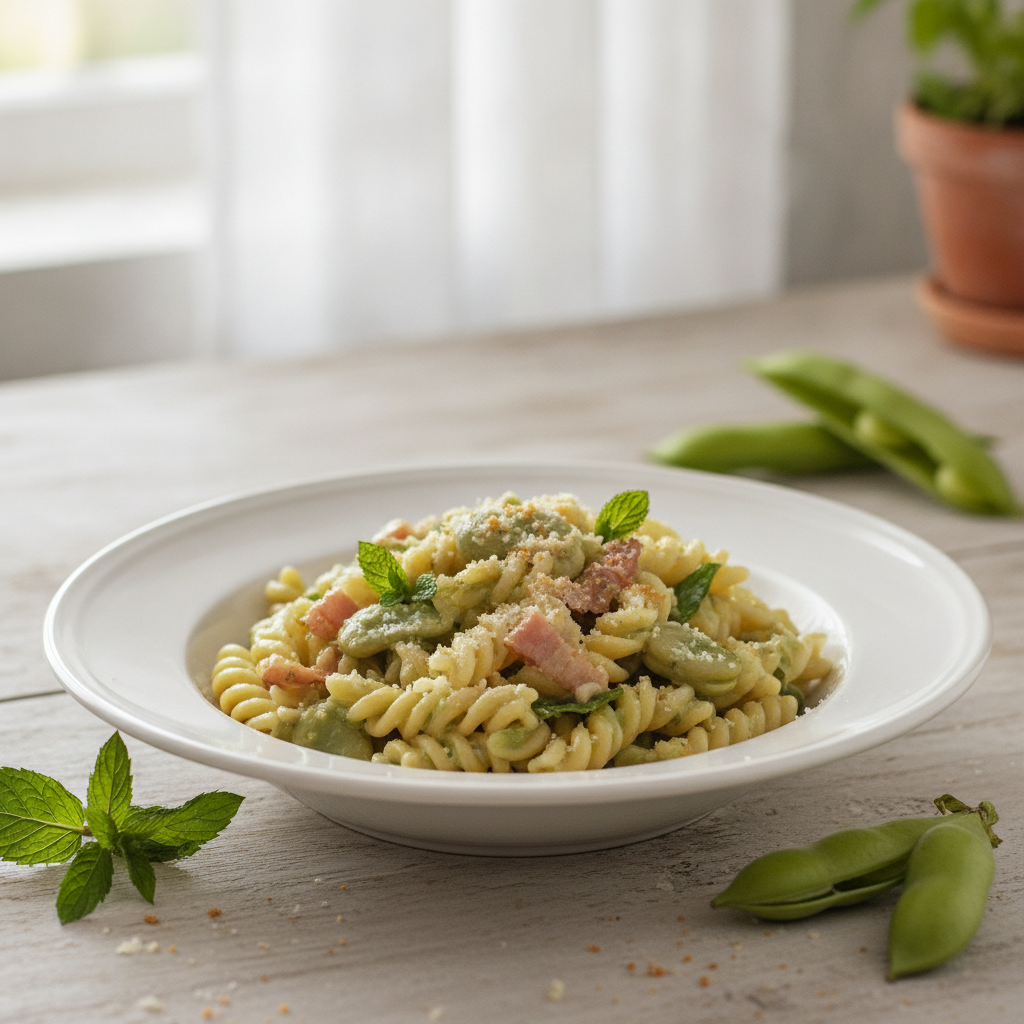
Few things capture the essence of rustic Italian home cooking quite like the arrival of fresh spring vegetables. Inspired by the comforting, generational kitchen wisdom of traditional Italian cooks like Nonna Pia, this classic Fava Bean Pasta (often known as Pasta con le Fave) is a beautiful celebration of simple, high-quality ingredients.
Fresh fava beans have a short season and require a little extra love to prepare, but their buttery texture and sweet, nutty flavor make them entirely worth the effort. Tossed with fragrant garlic, rich extra-virgin olive oil, fresh herbs, and a shower of salty Pecorino Romano, this dish is pure comfort in a bowl.
Recipe Overview
This recipe delivers a light yet satisfying pasta dish where the star ingredient is the vibrant fava bean. By using a touch of starchy pasta water, you will create a silk-like emulsion that coats every noodle without the need for heavy cream. While traditional variations sometimes include cured meats like pancetta, this version focuses on a clean, vegetarian-friendly profile that lets the fresh beans truly shine.
Ingredients
- Fresh fava bean pods: 2 pounds (yields about 1 to 1.5 cups of double-shelled beans)
- Pasta: 12 ounces (short shapes like ditalini, orecchiette, rigatoni, or paccheri work best)
- Extra-virgin olive oil: 3 tablespoons (high quality)
- Garlic: 3 cloves, thinly sliced or minced
- Shallot: 1 small, finely chopped (optional, for added sweetness)
- Pecorino Romano or Parmigiano-Reggiano: ½ cup, freshly grated, plus more for serving
- Fresh mint or flat-leaf parsley: ¼ cup, finely chopped
- Salt and freshly ground black pepper: To taste
- Pasta water: Reserved from cooking
Step-by-Step Instructions
1. Shell and Blanch the Fava Beans
Remove the fava beans from their thick outer pods. Bring a medium pot of water to a boil and prepare an ice bath nearby. Boil the shelled fava beans for 1 to 2 minutes to loosen their tough outer skins. Drain immediately and plunge them into the ice bath. Once cool enough to handle, gently pinch the edge of each pale skin to pop out the bright green, tender bean inside. Discard the skins.
2. Cook the Pasta
Bring a large pot of salted water to a rolling boil. Add your chosen pasta and cook until it is just 1 to 2 minutes shy of al dente. Remember to reserve at least 1 cup of the starchy pasta water before draining.
3. Sauté the Aromatics
While the pasta cooks, heat the extra-virgin olive oil in a large skillet over medium heat. Add the sliced garlic and chopped shallot. Sauté gently for 2 to 3 minutes until softened and fragrant, taking care not to let the garlic brown or burn.
4. Add the Beans
Stir the double-peeled fava beans into the skillet. Season with a pinch of salt and black pepper, and cook for about 2 minutes to let the beans absorb the garlic-infused oil.
5. Toss and Emulsify
Transfer the drained pasta directly into the skillet with the fava beans. Pour in ½ cup of the reserved pasta cooking water. Toss continuously over medium-high heat for 1 to 2 minutes, allowing the starch and olive oil to combine into a light, glossy sauce that coats the pasta.
6. Finish and Serve
Remove the skillet from the heat. Stir in the freshly grated Pecorino Romano cheese and the chopped fresh mint or parsley. Toss well until the cheese melts into the sauce. Adjust seasonings with extra black pepper or salt if needed, and serve hot with an extra sprinkle of cheese.
Tips for Best Results
- Don’t skip the double peel: The outer skin of individual fava beans is bitter and leathery. Blanching them makes sliding the bright green beans out of their jackets incredibly easy.
- Embrace the pasta water: This is the secret to all simple Italian pasta sauces. The starch acts as a natural binder to create a glossy, cohesive sauce.
- Add some crunch: For a touch of texture, top your finished pasta with some toasted, golden breadcrumbs (mollica) seasoned with a little olive oil and garlic.
Serving Suggestions
This dish pairs beautifully with a crisp, dry Italian white wine such as Pinot Grigio or Vermentino. Serve it alongside a simple arugula salad dressed with lemon juice and olive oil to cut through the richness of the cheese.
Storage and Reheating
Store any leftover pasta in an airtight container in the refrigerator for up to 2 days. To reheat, place the pasta in a skillet over medium-low heat with a splash of water or vegetable broth to loosen the sauce, stirring gently until heated through.
Frequently Asked Questions
Can I use frozen fava beans?
Yes! If fresh fava beans are out of season, you can find frozen shelled fava beans at many specialty grocers. Simply thaw them, blanch briefly if they still have their skins, and proceed with the recipe.
Can I make this recipe vegan?
Absolutely. Simply omit the Pecorino Romano cheese and replace it with a sprinkle of nutritional yeast or a high-quality vegan parmesan alternative, and top with toasted breadcrumbs for savory depth.
What is a good substitute for fava beans?
If fava beans are unavailable, fresh edamame or sweet English peas make excellent substitutes, offering a similar vibrant green look and sweet flavor profile.
Source Media